

Registering a car in California is a crucial step for any new or existing vehicle owner, ensuring legal compliance and access to public roads. However, navigating the process can be daunting due to the many requirements and bureaucratic intricacies involved. This comprehensive guide aims to demystify the registration procedure, providing clear, expert instructions from start to finish. We’ll walk you through each step, including utilizing the DMV’s VIN verifier, to ensure a seamless experience. By following these authoritative guidelines, you’ll efficiently register your vehicle and hit the California|act|CARS act highways with confidence.
- Prepare Required Documents for Car Registration
- Visit Your Local California DMV Office or Use Online Services
- Verify Vehicle Identity with a DMV VIN Verifier
- Complete the Registration Application Form Accurately
- Pay Registration Fees and Receive Your License Plate
Prepare Required Documents for Car Registration

Before you can register your car in California, you’ll need to gather a variety of essential documents. This process is designed to ensure vehicle safety and compliance with state regulations. A crucial first step involves preparing the required paperwork, which includes both traditional documents and those specific to California’s DMV (Department of Motor Vehicles) procedures. One such vital tool for this stage is a reliable DMV VIN verifier.
For instance, when purchasing a used car, you’ll typically need the vehicle’s unique Identifier (VIN), often found on the dashboard or under the hood. A mobile VIN verifier can quickly and accurately extract this information, making it readily available for submission to the DMV. In California, where vehicle registration is handled through the DMV, using an approved mobile VIN inspection tool can streamline the initial evaluation process. These verifiers cross-reference the VIN with state databases to confirm vehicle history, identifying any potential issues or discrepancies that could impact registration.
Additionally, you’ll require proof of insurance, a valid driver’s license, and the vehicle’s title (if applicable). It’s also wise to check with your local DMV for any additional documents they may mandate based on the specific circumstances of your car. Preparedness is key; ensuring all necessary paperwork is in order before visiting the DMV can significantly expedite the registration process.
Visit Your Local California DMV Office or Use Online Services

Registering a car in California involves several steps, but visiting your local California DMV office or utilizing online services streamlines the process significantly. For those who prefer a more hands-on approach, scheduling an in-person visit allows for direct interaction with DMV representatives, ensuring personalized assistance and immediate issue resolution. During your visit, bring necessary documents such as proof of ownership, vehicle identification number (VIN) verification, and valid identification to expedite the registration process.
Alternatively, California’s DMV offers robust online services that enable users to register vehicles conveniently from home. The online platform incorporates advanced features like a DMV VIN verifier, facilitating accurate and secure data entry. By utilizing this digital tool, you can input your vehicle’s unique VIN to verify its authenticity, ensuring compliance with state regulations before initiating the registration process. This method is particularly beneficial for those with busy schedules or who desire a hassle-free experience.
For added convenience, consider mobile vin inspection services that bring the DMV to your location. These services offer on-site verification, eliminating the need to visit an office. A professional will come to you, perform a thorough VIN inspection, and provide immediate results, ensuring a seamless registration process from start to finish. This option is ideal for individuals with limited mobility or those who prefer the flexibility of having the service conducted at their convenience.
Ultimately, whether you opt for in-person visits, online services, or mobile vin verification, embracing these modern options simplifies car registration in California. By leveraging technology and professional assistance, you can navigate the process efficiently, ensuring your vehicle is legally registered without unnecessary delays.
Verify Vehicle Identity with a DMV VIN Verifier
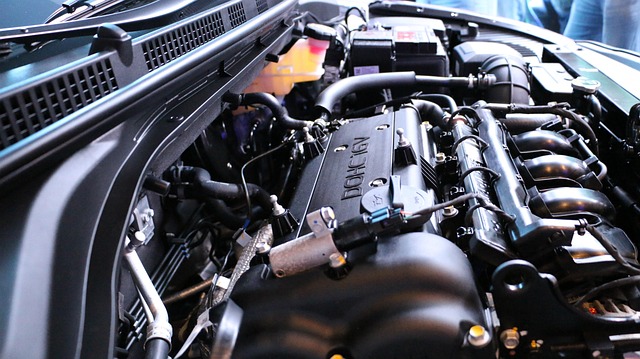
Verifying a vehicle’s identity is a crucial step in the car registration process in California. One of the primary tools at your disposal is the DMV VIN Verifier. This service ensures that the unique Vehicle Identification Number (VIN) on your car matches the records in the Department of Motor Vehicles (DMV) system, safeguarding against fraud and ensuring the accuracy of the registration. A mobile vin verifier, whether through a dedicated app or a physical device, facilitates this process by enabling inspections on-site, saving time and effort compared to traditional methods that may require visiting a DMV office.
When using a DMV VIN Verifier, you’ll typically need to access your vehicle’s VIN, which can usually be found on the driver’s side of the dashboard near the window or on the vehicle title documents. Inputting this code into the verifier allows it to cross-reference with data in the DMV’s database. This inspection not only verifies that the car is as described but also checks for any reported incidents or recalls related to the VIN, providing a comprehensive view of the vehicle’s history. For instance, a study by the California DMV revealed that approximately 5% of vehicles examined had discrepancies in their VIN records, highlighting the importance of using reliable vin verification methods.
For added convenience and accuracy, consider utilizing mobile vin inspection tools. These services not only verify your car’s identity but can also provide additional insights into its history, including past ownership changes and service records. When employing a mobile vin verifier, ensure that it’s approved by the DMV to guarantee the legitimacy of the results. This step is particularly important in California, where strict regulations are in place to maintain the integrity of vehicle registration data, making proper VIN verification crucial for a successful registration process.
Complete the Registration Application Form Accurately

Registering a car in California involves completing several forms, but one of the most crucial is the Registration Application Form. This document serves as your official record with the Department of Motor Vehicles (DMV). Filling it out accurately ensures smooth sailing throughout the registration process and prevents potential issues down the line. Pay close attention to each section, double-checking your information for errors or discrepancies.
A common pitfall many drivers encounter is overlooking the Vehicle Identification Number (VIN) verification process. The DMV requires a current and accurate VIN to ensure the car’s identity. Utilize a mobile VIN verifier to confirm the vehicle’s history before completing any forms. This technology enables you to check for any outstanding issues, accidents, or potential fraud associated with the VIN in a matter of minutes using your smartphone. For instance, some mobile apps offer real-time data access, allowing you to compare the provided VIN against multiple databases simultaneously.
When inputting the VIN on the registration form, ensure it’s exact and matches the vehicle inspection sticker. Inaccurate or incomplete information can delay processing, so take the time to verify every detail. Consider using a mobile VIN inspection tool during this step. These tools not only validate the VIN but also provide crucial data like the year, make, model, and potential recall notifications. By integrating these modern verification methods into your registration process, you enhance accuracy and efficiency, ensuring a seamless car registration experience in California.
Pay Registration Fees and Receive Your License Plate

After gathering all necessary documentation and information, the next step in registering your car in California involves paying the registration fees and receiving your license plates. This process is straightforward but requires careful attention to detail. First, you’ll need to visit the California Department of Motor Vehicles (DMV) website to calculate the exact fees based on your vehicle’s make, model, age, and fuel type. The DMV offers several payment options, including online payments, which can be conveniently made through their secure portal.
Once the registration fees are paid, you’ll typically need to schedule a time for an in-person visit to a local DMV field office. Here, you’ll provide your documents, pass a vehicle inspection (which includes a vin inspection), and receive your license plates. The vin inspection can be completed at the field office or, for added convenience, through a mobile vin verification service. These services send a professional inspector to your location to perform the necessary checks, ensuring a smoother process for busy individuals.
During the in-person visit, make sure you bring all required documents, including proof of insurance and identification. The DMV representative will review these documents, confirm the vehicle’s identity using the unique Vehicle Identification Number (VIN), and issue your license plates. After receiving your plates, ensure they are securely attached to your vehicle as per California regulations. Properly displaying license plates not only meets legal requirements but also aids in identifying your vehicle should it ever be involved in an incident.
Registering a car in California involves several crucial steps, from gathering essential documents to completing applications and paying fees. Key insights include preparing required paperwork, visiting or using online services through the DMV, verifying vehicle identity with a DMV VIN verifier, accurately filling out registration forms, and obtaining license plates upon payment. By following these steps diligently, individuals can ensure their car’s legal status in California, facilitating smooth driving experiences and compliance with local regulations. Utilization of a DMV VIN verifier is integral to the process, ensuring the vehicle’s authenticity. These practical next steps empower readers to navigate the registration process efficiently, leveraging authoritative guidance for a seamless experience.