

Registering a car in California is not just a bureaucratic formality; it’s a crucial step to ensure your vehicle’s legality on state roads and access to essential services like insurance and title transfer. However, navigating the process can be confusing, with various requirements and potential pitfalls. This article serves as your comprehensive guide, equipping you with the knowledge to smoothly navigate California’s car registration procedures. We’ll break down each step, emphasizing the significance of VIN verification for accurate and efficient registration.
- Understand California Car Registration Requirements
- Gather Necessary Documents for Registration
- Choose an Appropriate Vehicle Classification
- Complete the Registration Application Process
- Verify Your Vehicle's VIN (Vehicle Identification Number)
Understand California Car Registration Requirements

Registering a car in California involves understanding specific requirements aimed at ensuring vehicle safety and tracking. The process begins with accurate verification of your vehicle’s Vehicle Identification Number (VIN). This is a unique 17-character code that identifies your car, and its correct entry is paramount. A key step in the registration process is undergoing a VIN inspection, which can be conducted at designated California Department of Motor Vehicles (DMV) locations or through mobile VIN verification services. Mobile VIN inspection offers the convenience of having the check performed off-site, saving you time and effort.
For instance, when transferring ownership of a car, both parties must ensure the VIN is accurately recorded. This includes checking that the vehicle’s identification number matches the one on the title document. If discrepancies are found during a VIN verification process, it could delay registration or even lead to legal issues. To streamline this process, consider using mobile VIN inspection services, which provide instant and reliable results. These services employ advanced technology to cross-reference the VIN with official databases, ensuring its authenticity and accuracy.
California’s emphasis on proper VIN verification extends beyond initial registration. Regular vehicle inspections are conducted to ensure all cars on the road meet safety standards. During these inspections, officials may utilize mobile VIN inspection tools to quickly validate a vehicle’s history and identify any potential issues. This proactive approach not only enhances road safety but also underscores the state’s commitment to maintaining a comprehensive record of all vehicles registered in California.
Gather Necessary Documents for Registration

Registering a car in California involves several steps, with one crucial component being the gathering of essential documents for registration. Before you begin the process, ensure you have all necessary paperwork to streamline the experience and avoid potential delays. The core requirement centers around the Vehicle Identification Number (VIN) verification, which establishes the vehicle’s authenticity and history.
Central to this is a valid VIN inspection or vin verification, providing proof of ownership and the vehicle’s legal status. This can be achieved through a traditional vin inspection at a designated service center or by utilizing innovative mobile vin verifier applications. These digital tools offer convenience, allowing you to complete the VIN verification process from the comfort of your home or on the go, similar to how modern car buyers research vehicles online. For instance, some states have embraced digital solutions, with up to 70% of license plate registrations now completed electronically, reflecting a shift towards efficient, paperless processes.
When gathering documents, it’s essential to include the vehicle’s title, which verifies its ownership history. Additionally, you’ll need proof of insurance, registration fees, and possibly a bill of sale if purchasing from an individual. The California Department of Motor Vehicles (DMV) provides detailed guidelines on required documentation, ensuring a smooth registration experience. Leveraging digital tools for vin inspection can further enhance this process, offering quick verification and peace of mind before submitting your application.
Choose an Appropriate Vehicle Classification
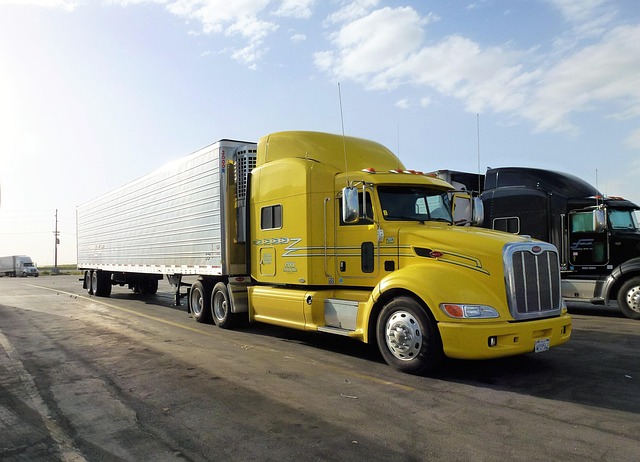
Choosing the correct vehicle classification is a critical step in registering your car in California. The state’s Department of Motor Vehicles (DMV) categorizes vehicles into several types, including cars, trucks, motorcycles, and recreational vehicles (RVs). Each category has specific requirements and fees associated with registration. For instance, while a standard passenger car might have a straightforward registration process involving a title transfer and emission test, an RV may require additional safety inspections due to its unique features and size.
When registering your vehicle, you’ll need to accurately determine its type and identify any special considerations. This is where a Vehicle Identification Number (VIN) verification becomes essential. A VIN inspection ensures that the vehicle’s details match the information on record and can be conducted through mobile VIN verifier services for added convenience. These verifiers cross-check the VIN with national databases to confirm the vehicle’s make, model, year, and any reported issues or recalls, providing peace of mind during the registration process.
Consider your vehicle’s unique attributes when making this determination. For example, if you own a classic car, it may require historical registration, which has different requirements. Conversely, if your vehicle is designed for off-road use, it might fall under an RV classification and necessitate specific safety equipment inspections. Utilizing mobile VIN verification services during this phase can streamline the process by offering quick and accurate data on your vehicle’s history, ensuring a smooth transition to California’s registration system.
Complete the Registration Application Process

Completing the registration application process is a crucial step when registering your car in California. After gathering all necessary documents, including proof of insurance, vehicle ownership history, and identification, you’ll need to fill out Form MV-5, the Application for Title and Registration. This form requires detailed information about your vehicle, such as make, model, year, and Vehicle Identification Number (VIN). Accurate VIN verification is essential; it ensures that the data on file matches the actual vehicle, preventing fraud and facilitating efficient registration.
One of the key requirements in California is a valid VIN inspection. Traditionally, this has been conducted at a designated DMV location. However, for added convenience, many services now offer mobile VIN verification. This involves a certified inspector visiting your location to perform an on-site inspection, ensuring that your vehicle’s VIN is legible and accurately recorded. Mobile VIN inspections are particularly beneficial if you have a classic car or a vehicle with unique circumstances, as they account for any potential challenges in accessing the VIN plate.
Upon completion of the application and successful VIN verification, either through a DMV location or a mobile inspection service, you can submit your documents to register your car. It’s important to double-check all information for accuracy to avoid delays or issues down the line. Remember, proper registration not only ensures your vehicle is legally operable but also facilitates access to services like emissions testing and future title transfers, making it an indispensable step in car ownership.
Verify Your Vehicle's VIN (Vehicle Identification Number)

Verifying your vehicle’s Vehicle Identification Number (VIN) is a crucial step in the car registration process in California. This unique 17-character code serves as a fingerprint for your vehicle and is essential for accurate identification and documentation. VIN verification ensures that the car you’re registering matches the specifications on record, protecting both buyers and sellers from potential fraud or misrepresentations.
One effective method for this verification is through a mobile vin verifier or inspection service. These services allow you to quickly and conveniently obtain real-time data by scanning your vehicle’s VIN using a smartphone app. This technology provides instant access to detailed vehicle history reports, including prior ownership, accident records, and maintenance logs. For instance, according to the California Department of Motor Vehicles (DMV), having accurate vehicle history can help identify potential issues that may affect safety or resale value.
When utilizing a mobile vin verification service, ensure you choose a reputable provider that offers reliable data from recognized databases. Some services even offer on-site inspections for added convenience and security. This additional layer of scrutiny can be particularly valuable when purchasing a used car, helping to prevent costly mistakes and ensuring the vehicle’s history is as advertised. By taking this step, California residents can have peace of mind knowing that their registration process is not only streamlined but also secure.
By following these steps—from understanding California’s car registration requirements and gathering essential documents to choosing the right vehicle classification and completing the application process—you can confidently navigate the registration procedure. A critical aspect, highlighted throughout this article, is the importance of accurate VIN verification, ensuring a seamless and legally compliant transaction. With these insights in hand, you are now equipped to register your vehicle in California with ease and certainty.