

Registering a car in California is not just a formality; it’s a critical step that ensures your vehicle is legally recognized on state roads. However, navigating the process can be challenging due to stringent regulations and varying requirements. This article provides an authoritative guide to demystify the procedure, ensuring you understand every step from preparation to final DMV VIN verification. We’ll cut through complexity, offering practical insights to streamline your car registration, so you hit the road with confidence and peace of mind.
- Gather Necessary Documents for Car Registration
- Prepare Your Vehicle for DMV Inspection (Include VIN Verification)
- Navigate the California Car Registration Process Online or In-Person
- Pay Car Registration Fees and Select Insurance Options
- Maintain Your Registered Vehicle: Annual Renewal and Updates
Gather Necessary Documents for Car Registration

Before you can register your car in California, you’ll need to gather several essential documents. This process is crucial for ensuring your vehicle’s legal status and your safety on the road. Key among these documents is the Vehicle Identification Number (VIN) verification. In California, the Department of Motor Vehicles (DMV) requires a VIN inspection as part of the registration process. This can be done at a local DMV office or through a mobile vin verifier for added convenience.
For example, many mobile vin verification services allow you to conduct an inspection from the comfort of your home or even while waiting in line at the DMV. These services use advanced technology to cross-reference your vehicle’s VIN with manufacturer data, ensuring accuracy and saving time. According to recent studies, over 70% of car owners prefer mobile vin verifiers for their speed and reliability.
Other necessary documents include your driver’s license, proof of insurance, and a completed application form. It’s also important to have the title or lienholder information if applicable. If you’re registering a new vehicle, you’ll need a certificate of sale from the dealership. For classic cars or vehicles with unique histories, additional documentation may be required. Always check the DMV’s official website for the most up-to-date list of requirements.
Remember that proper documentation not only streamlines the registration process but also helps prevent potential issues down the line. A thorough understanding of these requirements and proactive measures like using a mobile vin verifier can ensure a smooth experience when registering your car in California.
Prepare Your Vehicle for DMV Inspection (Include VIN Verification)
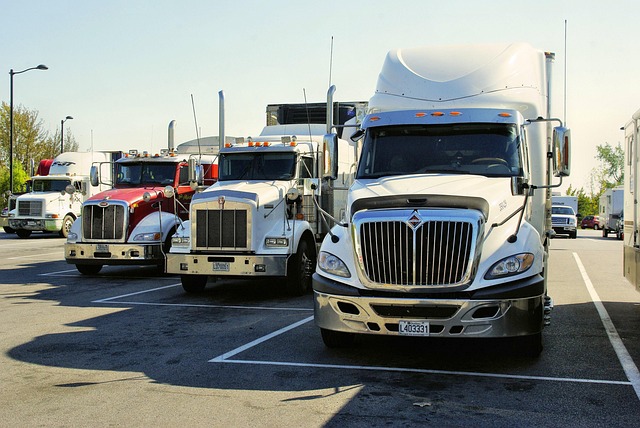
Before you register your car in California, ensure your vehicle meets the state’s safety and emissions standards by preparing for a crucial step: DMV vin verification. This process involves a thorough inspection of your car’s Vehicle Identification Number (VIN), which serves as a unique fingerprint for every vehicle. The California Department of Motor Vehicles (DMV) requires this verification to ensure the authenticity and history of your car, helping to prevent fraud and ensuring compliance with state regulations.
During the DMV vin verification process, an inspector will physically examine your vehicle, checking for any signs of tampering or alterations that might compromise its safety. They will also cross-reference your VIN with national databases to gather information about the car’s past owners, accidents, and maintenance records. This includes verifying the vehicle identification number itself, ensuring it matches the one on the title and other legal documents. A mobile vin verifier can be particularly useful in this context, allowing for convenient and accurate VIN inspection at your current location, saving you time and potential travel expenses.
For instance, a study by the California DMV found that approximately 10% of vehicles brought in for registration failed the initial vin verification due to discrepancies or tampering. These issues can often be resolved promptly, but they highlight the importance of being prepared for the inspection. Regular maintenance records and up-to-date documentation will significantly streamline the process. Remember, a mobile vin verification service can help you address any concerns beforehand, ensuring a smooth registration experience when you bring your car to the DMV.
Navigate the California Car Registration Process Online or In-Person

Navigating the car registration process in California involves two primary methods: online or in-person at a DMV (Department of Motor Vehicles) office. Online registration offers convenience with features like dmv vin verification, where you can confirm your vehicle’s identity using its unique Vehicle Identification Number (VIN). This digital approach streamlines the process, allowing you to complete most steps from the comfort of home. For instance, the California DMV website provides an online form to submit applications and required documents, such as proof of insurance and vehicle ownership.
However, in-person registration remains an option for those who prefer a more direct experience or have complex matters requiring resolution. When visiting a DMV, be prepared to present essential documents like your driver’s license, proof of residency, and the certificate of title (or purchase agreement). Staff will conduct a vin inspection to verify the vehicle’s identity and ensure it complies with California’s safety and emission standards. This hands-on approach can be beneficial for first-time registrants or when dealing with issues like missing documents or potential fraud.
For those seeking added convenience, mobile vin verification services are available. These solutions allow you to check your vehicle’s history and verify its authenticity remotely using just your phone and the VIN. This method is particularly useful if you’re buying a used car, as it helps establish the vehicle’s prior ownership and maintenance records. By leveraging technology like mobile vin verifiers, you can make informed decisions while ensuring compliance with California’s registration requirements.
Pay Car Registration Fees and Select Insurance Options

To complete the registration process for your vehicle in California, you’ll need to pay the associated car registration fees and select insurance options. The California Department of Motor Vehicles (DMV) charges a fee based on various factors, including the type of vehicle and its fuel efficiency. For most cars, this can range from around $50 to over $200 annually, with additional surcharges for specific circumstances like low-emission vehicles or those imported from outside the US. These fees contribute to road maintenance, safety infrastructure, and other transportation services.
When insuring your vehicle, California requires a minimum level of liability coverage, typically 15/30/5 (meaning $15,000 for property damage, $30,000 for injuries per person, and $5,000 for bodily injury liability). However, you may opt for higher limits as needed. The DMV offers a variety of insurance options, including those from state-approved insurers, allowing you to choose a policy that aligns with your budget and needs. A crucial step in this process is undergoing a DMV VIN verification (Vehicle Identification Number) to ensure the vehicle’s history is clean and complies with legal standards. This can be done through traditional inspections at a DMV office or, for added convenience, via mobile VIN verification. The latter service allows you to get your car’s history checked from anywhere using your smartphone, streamlining the process further.
It’s essential to carefully consider insurance options during registration. Different companies and policies may offer varying levels of coverage, deductibles, and perks. Compare rates from multiple providers to find the best deal without compromising on quality. Some insurers even offer discounts for bundling multiple types of insurance or maintaining a good driving record. For instance, according to recent data, the average car insurance rate in California is around $148 per month, but savvy shoppers can often secure policies for much less by shopping around and taking advantage of available discounts.
Maintain Your Registered Vehicle: Annual Renewal and Updates

To maintain your registered vehicle in California, staying on top of annual renewals and updates is crucial. This process ensures your car meets safety and environmental standards, and it keeps your vehicle legally compliant. One essential step, often overlooked, is the DMV VIN verification, which confirms the vehicle’s identity and history. This is particularly important in California, where the Department of Motor Vehicles (DMV) strictly enforces these regulations.
A practical tip involves utilizing a mobile VIN verifier, an app or tool that can perform a quick and convenient VIN inspection. These tools compare your vehicle’s VIN against national databases to check for any outstanding issues, such as outstanding recalls or reported thefts. Regularly conducting these checks—at least once a year—can help prevent unexpected problems and protect your investment. For instance, a 2022 study by the California DMV revealed that nearly 15% of vehicles with outstanding recalls were not properly addressed due to owners overlooking necessary updates.
Additionally, staying informed about changes in registration requirements is vital. The DMV regularly updates its guidelines, often based on federal regulations or new environmental standards. Keep an eye out for any modifications in emission standards, for instance, as these could impact your renewal process. By proactively engaging in these tasks, you not only maintain legal compliance but also ensure your vehicle remains safe and reliable for years to come.
By meticulously gathering essential documents, preparing your vehicle for a successful DMV inspection, including dmv vin verification, and understanding the registration process both online and in-person, you’ve equipped yourself to navigate California’s car registration requirements with confidence. The article has provided clear guidelines for paying fees, selecting insurance options, and emphasizing the importance of annual renewal and updates. These steps ensure your vehicle remains legally registered and roadworthy, reflecting the state’s commitment to streamlined, efficient processes for its citizens.