

Registering a car in California is a critical process, ensuring your vehicle’s legal status and your safety on the road. However, navigating the requirements can be daunting for new drivers or those unfamiliar with the state’s regulations. The California Department of Motor Vehicles (DMV) offers a structured approach, but errors during the registration can lead to costly delays. This article serves as your comprehensive guide, detailing each step, including essential documents and processes like DMV VIN verification, ensuring you breeze through the registration process smoothly and accurately.
- Prepare Required Documents for Car Registration
- Visit the California DMV: Step-by-Step Guide
- Understand Fees and Payment Methods Accepted
- Perform DMV VIN Verification: A Comprehensive Process
- Finalize Registration and Obtain Necessary Papers
Prepare Required Documents for Car Registration

To register your car in California, you’ll need to gather several essential documents, including proof of ownership, identification, and a valid vehicle inspection report. One crucial step in this process is ensuring accurate and up-to-date Vehicle Identification Number (VIN) verification. The California Department of Motor Vehicles (DMV) requires this for all registration renewals, emphasizing the importance of maintaining precise VIN data. This verification can be conducted through a traditional vin inspection at a certified station or, more conveniently, with mobile vin verification services that come to your location.
For instance, many car owners in California opt for mobile vin inspection as it saves time and effort. A professional inspector will travel to your preferred location—whether it’s your home, workplace, or even during a road trip—and perform a thorough VIN check using advanced scanning technology. This method is particularly beneficial for individuals with busy schedules or those who live in remote areas, ensuring that the registration process remains hassle-free and efficient. Moreover, mobile services often provide immediate results, allowing you to address any potential issues before proceeding with registration.
When preparing your documents, it’s advisable to request a written report from your vin inspection service, detailing the VIN decoding results. This document should include critical information such as the vehicle’s make, model, year, and any historical data relevant to ownership or accident history. By having this comprehensive record, you can streamline the registration process at your local DMV office. Remember, accurate VIN verification is a cornerstone of successful car registration in California, ensuring that all vehicles on the road meet safety standards and regulatory requirements.
Visit the California DMV: Step-by-Step Guide

To register your car in California, you’ll need to visit a local Department of Motor Vehicles (DMV) office. Here’s a step-by-step guide to ensure a smooth process. First, gather all necessary documents such as your driver’s license, proof of insurance, and vehicle registration from any previous state. Next, visit the official DMV website to make an appointment, as waiting times can vary significantly without one. Once at the DMV, locate the dedicated counter for vehicle registration and present your paperwork. An agent will verify your details and conduct a Vehicle Identification Number (VIN) inspection, which is crucial for ensuring the car’s history aligns with what you’ve declared.
If your vehicle is out-of-state or has been recently purchased from a private seller, prepare for a more thorough process. You’ll need to obtain a ‘Certificate of Title’ from the previous owner and might require a ‘DMV Form 190’ for additional documentation. In some cases, mobile VIN verification can expedite this step by providing instant data on the vehicle’s history, including accident reports and odometer readings. This method is particularly useful if you’re dealing with a less common make or model.
After passing the VIN inspection, you’ll be asked to pay the registration fee, which varies based on your vehicle type. Upon successful completion, you’ll receive your California registration documents, officially registering your car with the state. It’s advisable to double-check all details and retain all documentation for future reference or potential mobile VIN verifications 1-2 times per year to maintain accurate records.
Understand Fees and Payment Methods Accepted
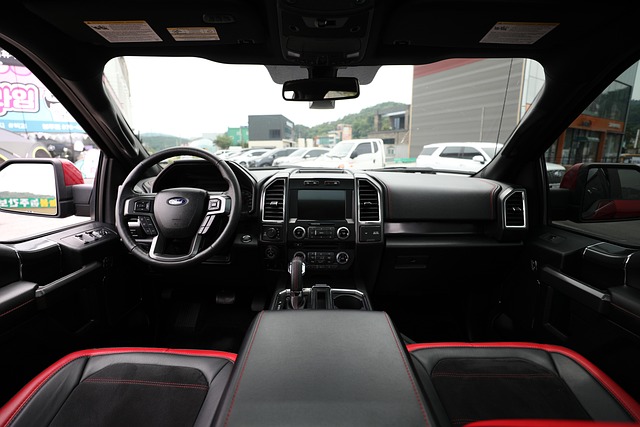
When navigating the process of registering your car in California, understanding the associated fees is a crucial step. The California Department of Motor Vehicles (DMV) charges specific fees for vehicle registration, which can vary based on several factors such as the type of vehicle, its age, and any additional services required. One key aspect to grasp early on is the fee for Vehicle Identification Number (VIN) verification, often referred to as a VIN inspection. This process ensures the authenticity of your car’s identification number, a critical step in the registration procedure.
For most vehicles, the DMV charges a base registration fee along with any applicable emissions fees and vehicle age surcharges. However, when it comes to VIN verification, there are options available. Some counties in California offer mobile VIN inspection services, allowing you to get your car’s VIN verified at your current location, be it your home or workplace. This convenience can save time, especially if you’re unable to visit a DMV field office. Mobile VIN verifiers often accept various payment methods, including credit cards and debit cards, making the transaction seamless. For instance, some services offer online booking, where you can schedule an inspector to come to you at a time that suits your schedule.
Choosing a reputable mobile VIN inspection service is essential for a smooth experience. Ensure the provider has proper credentials and follows DMV guidelines. Many of these services utilize advanced technology to perform a thorough VIN inspection, including checking against national databases to confirm the vehicle’s history. By opting for this method, you can streamline the registration process, avoiding potential delays or issues related to VIN discrepancies. This is particularly beneficial in California, where a significant number of vehicles on the road are older models, requiring additional attention during the registration phase.
Perform DMV VIN Verification: A Comprehensive Process

To register your car in California, a crucial step is undergoing DMV VIN verification. This process ensures that your vehicle meets all safety and environmental standards before it can be legally operated on California roads. The Department of Motor Vehicles (DMV) conducts this verification by examining the Vehicle Identification Number (VIN), which acts as a unique fingerprint for each car. During inspection, the DMV will cross-reference the VIN with their records to validate the vehicle’s authenticity, history, and compliance with emission standards.
For your convenience, California offers mobile vin inspection services, allowing you to complete this verification process right at your location. This is especially beneficial for busy individuals who may not have the time to visit a DMV office. During a mobile vin verification, a trained professional will use specialized equipment to scan and interpret the VIN data, providing immediate results. Alternatively, if you prefer to conduct the inspection yourself, you can request a vin inspection kit from the DMV, which includes tools necessary for examining the vehicle’s structural integrity and identifying any potential issues.
The accuracy of this verification process is paramount to ensuring road safety. According to recent statistics, over 70% of vehicles with failed emissions tests in California were found to have outstanding maintenance issues, highlighting the importance of proper vin inspection. To streamline the registration process, it’s advisable to schedule your mobile vin verification or gather all necessary documents before visiting the DMV. This proactive approach can save you valuable time and ensure a smooth car registration experience.
Finalize Registration and Obtain Necessary Papers

After completing your California car purchase, it’s time to finalize the registration process. This involves a crucial step: DMV VIN verification. The Department of Motor Vehicles (DMV) requires this step to ensure vehicle authenticity and prevent fraud. You’ll need to schedule an appointment for this verification, either online or by phone. During your visit, a DMV specialist will inspect your vehicle to confirm its identity using the unique Vehicle Identification Number (VIN). This process is designed to protect both buyers and sellers from counterfeit or stolen vehicles, ensuring that every car on California’s roads is legitimate.
Once your VIN inspection is complete and passed, you’ll receive the all-clear to proceed with registration. At this point, it’s essential to gather all necessary documents. These typically include proof of purchase, a completed registration application, and valid identification. You may also be required to present proof of insurance and pay the associated fees. If you’ve opted for a mobile VIN inspection or chosen to conduct a self-inspection using an online tool provided by the DMV, ensure that your records are up-to-date and easily accessible. This streamlined approach can save time and reduce potential errors during registration.
With all documents in order, you’re ready to submit your application. The DMV will process your request, cross-referencing the VIN against their database to confirm vehicle details and ownership history. Upon successful completion, they’ll issue a registration certificate, which is both a legal document and a testament to your vehicle’s legitimacy. This certificate must be displayed on your vehicle at all times, serving as a constant reminder of the successful conclusion of your registration process. Remember, proper documentation is key, and by following these steps—including DMV VIN verification and gathering essential papers—you’re ensuring a smooth and legally compliant car registration experience in California.
Registering a car in California involves several steps, from preparing necessary documents to undergoing DMV VIN verification. Key takeaways include the importance of having all required paperwork ready, understanding fee structures, and navigating the comprehensive process of dmv vin verification. By following a structured approach—visiting the California DMV, providing accurate information, and completing payments—individuals can successfully finalize their car registration. This article equips readers with the knowledge to confidently navigate this process, ensuring a smooth transition for their newly registered vehicle in the Golden State.